E-commerce Website: Sell, Gain Autonomy, Build Loyalty
The three reasons to build an e-commerce site: sell without intermediaries, take back control of your margins, and turn a buyer into a loyal customer.
Read moreDefinition, light, framing and commercial uses: what photography really is, and why it quietly decides how credible your company looks to a first-time visitor.
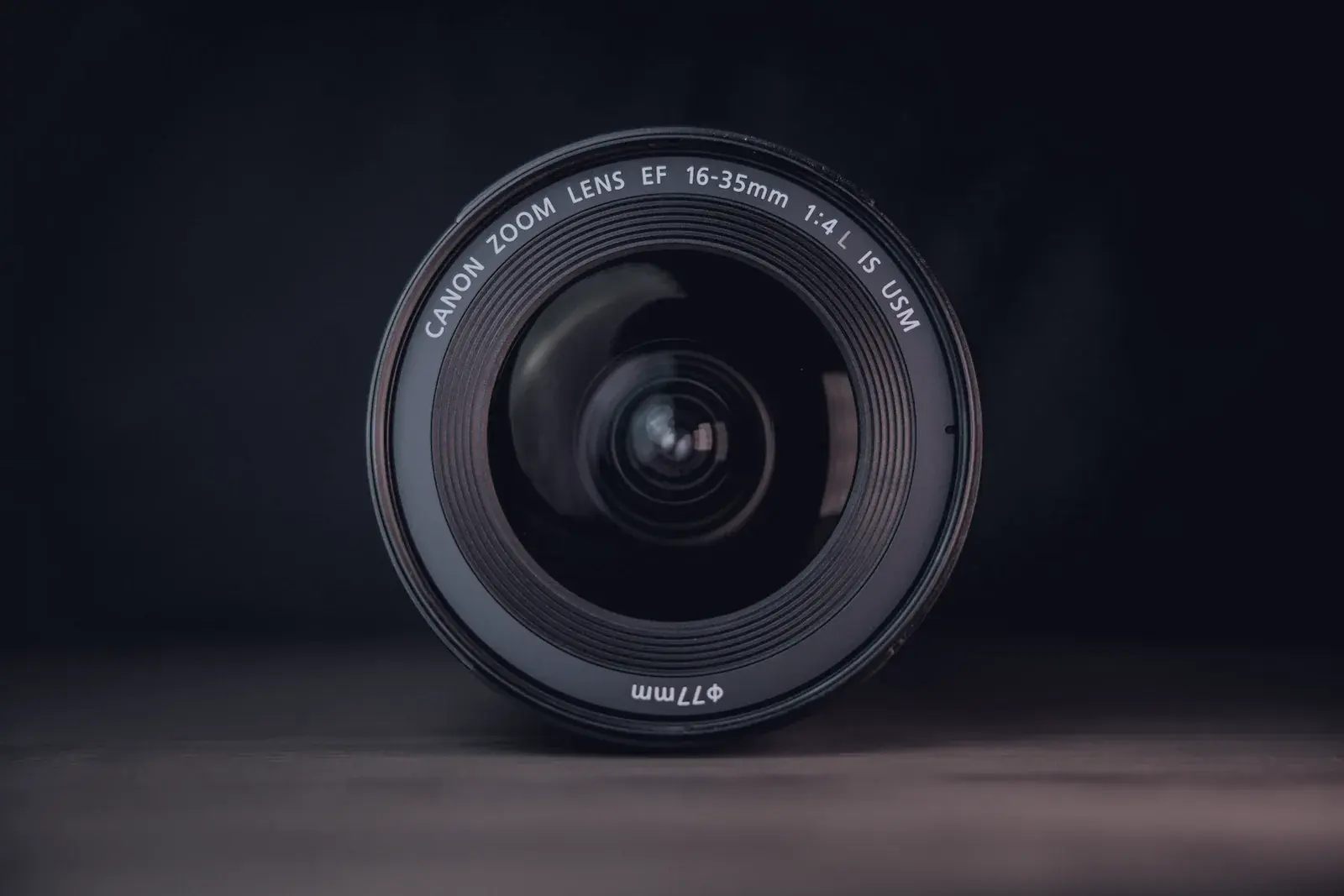
Photo Jason Leung on Unsplash
The word comes from Greek: phôs, light, and graphein, to write. Photographing is literally writing with light. Two centuries after its invention the definition still holds: a camera does not capture an object, it captures the light that object sends back. Understanding this changes everything for a company that has to show its products, its premises or its team.
Photographing an interior, a piece of furniture or a decorative object is not about taking a pretty picture, it is about rendering a material: the grain of wood, the weave of a fabric, the sheen of ceramic. It calls for broad, soft light, a perfectly stable camera and, almost always, several exposures blended to balance windows against indoor lighting. It is patient work, where observation matters far more than settings.
A visitor judges a website in under three seconds, and that judgement lands on the imagery first. A recognisable stock photo sends an unambiguous signal: this company showed nothing real. A consistent series of genuine photographs (even imperfect ones) builds immediate trust. In the audits we run, replacing generic visuals with an on-site shoot is consistently among the highest effort-to-result interventions available.
Two hundred years after Niépce, photography remains the fastest way to make people understand what you sell. It deserves half a day of preparation just as a page of copy deserves a proofread.
The three reasons to build an e-commerce site: sell without intermediaries, take back control of your margins, and turn a buyer into a loyal customer.
Read more
Definition, the six technical components and the payment methods available in Tunisia: everything that makes up an online store that actually sells.
Read more
Wix, Shopify, WordPress.com: what the DIY system really is, what it allows, where its limits sit, and the exact moment a growing business should move beyond it.
Read moreLet's talk. We reply within 24 h, with a free quote and no strings attached.