E-commerce Website: Sell, Gain Autonomy, Build Loyalty
The three reasons to build an e-commerce site: sell without intermediaries, take back control of your margins, and turn a buyer into a loyal customer.
Read moreUpdates, backups, content and performance: the realistic routine that keeps a business website alive, fast and ranking well after launch day.
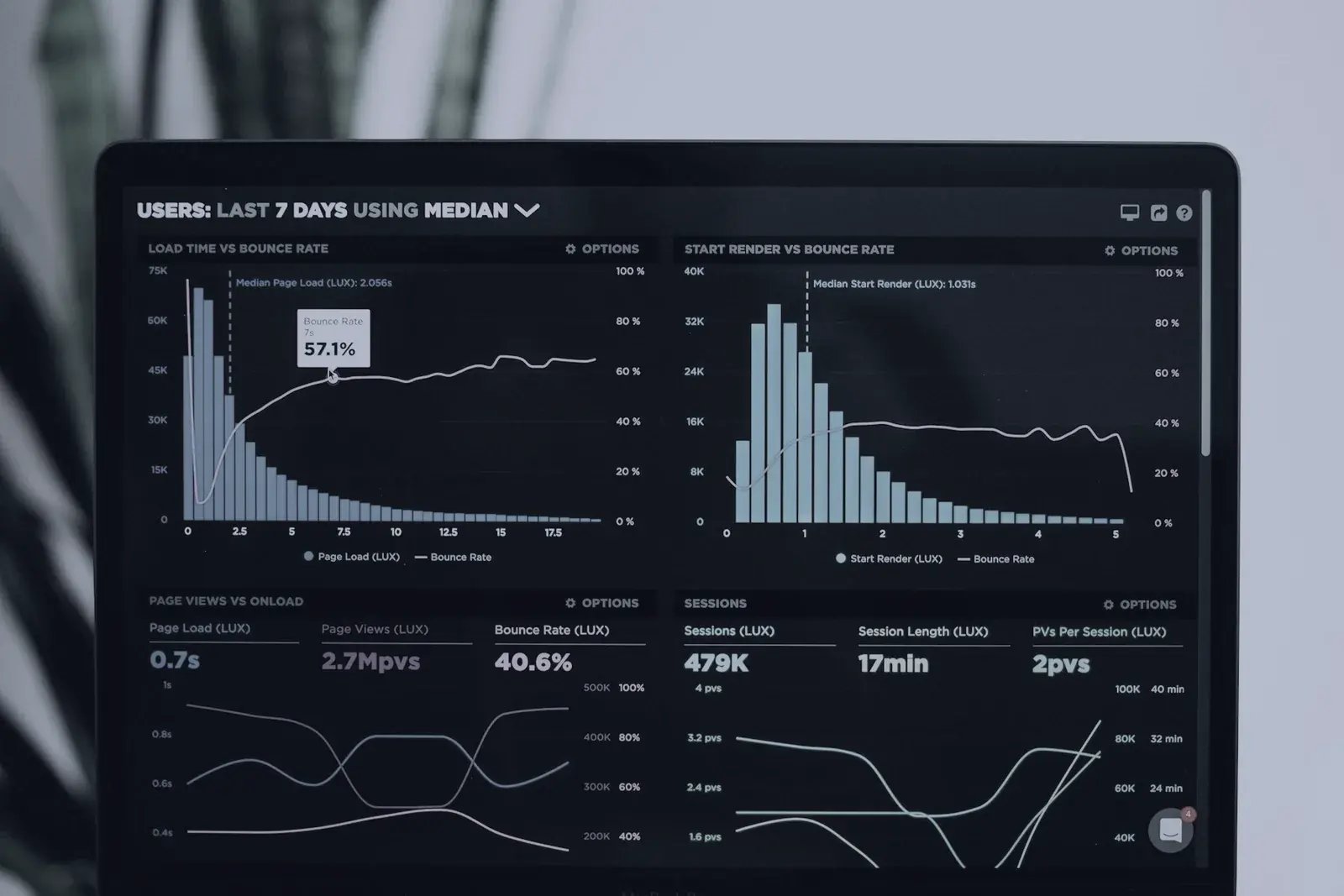
Photo Luke Chesser on Unsplash
Going live is not the end of the project, it is day one. A website left alone loses roughly a third of its organic traffic within two years: outdated plugins, pages that slow down, stale information, competitors who keep publishing. The good news is that maintaining a business website fits into a short, predictable routine.
In our experience in Tunis, four incidents account for nearly every emergency call we receive, and all four are avoidable with one hour of work per month.
Technically, a healthy site almost maintains itself. What makes it climb is regular publishing. Two genuinely useful articles a month, answering questions your customers ask on the phone, are enough to double the indexed surface of a brochure site within a year. Length is not the point: a page that precisely answers "how much does… cost" or "how do I choose…" keeps working for you for years.
Finally, put in writing who does what: who holds the credentials, who signs off on copy, who calls the host when things break. Most abandoned websites are not abandoned for lack of budget, but because nobody internally was formally responsible for them.
The three reasons to build an e-commerce site: sell without intermediaries, take back control of your margins, and turn a buyer into a loyal customer.
Read more
Definition, the six technical components and the payment methods available in Tunisia: everything that makes up an online store that actually sells.
Read more
Wix, Shopify, WordPress.com: what the DIY system really is, what it allows, where its limits sit, and the exact moment a growing business should move beyond it.
Read moreLet's talk. We reply within 24 h, with a free quote and no strings attached.